We customize our approach to your childs needs. One example of this is:
Direct Instruction (DI) is a fully scripted, mastery-based teaching method developed in the 1960s by Siegfried Engelmann. It is one of the most rigorously researched approaches in education — and it is especially powerful for children who don't reliably learn from incidental exposure.
A lot of teaching relies on the assumption that a child will figure it out if they see enough examples. Following the DI approach, isolated skills that when taught and repeated allows the child to develop a mastery.
Every skill is named, modelled, and practised — no ambiguity about what the child should learn.
Each lesson builds on a tightly controlled set of prior skills. We don't introduce new content until the foundation is solid.
We move on only when the child can do the skill independently. Speed varies child to child; the standard does not.
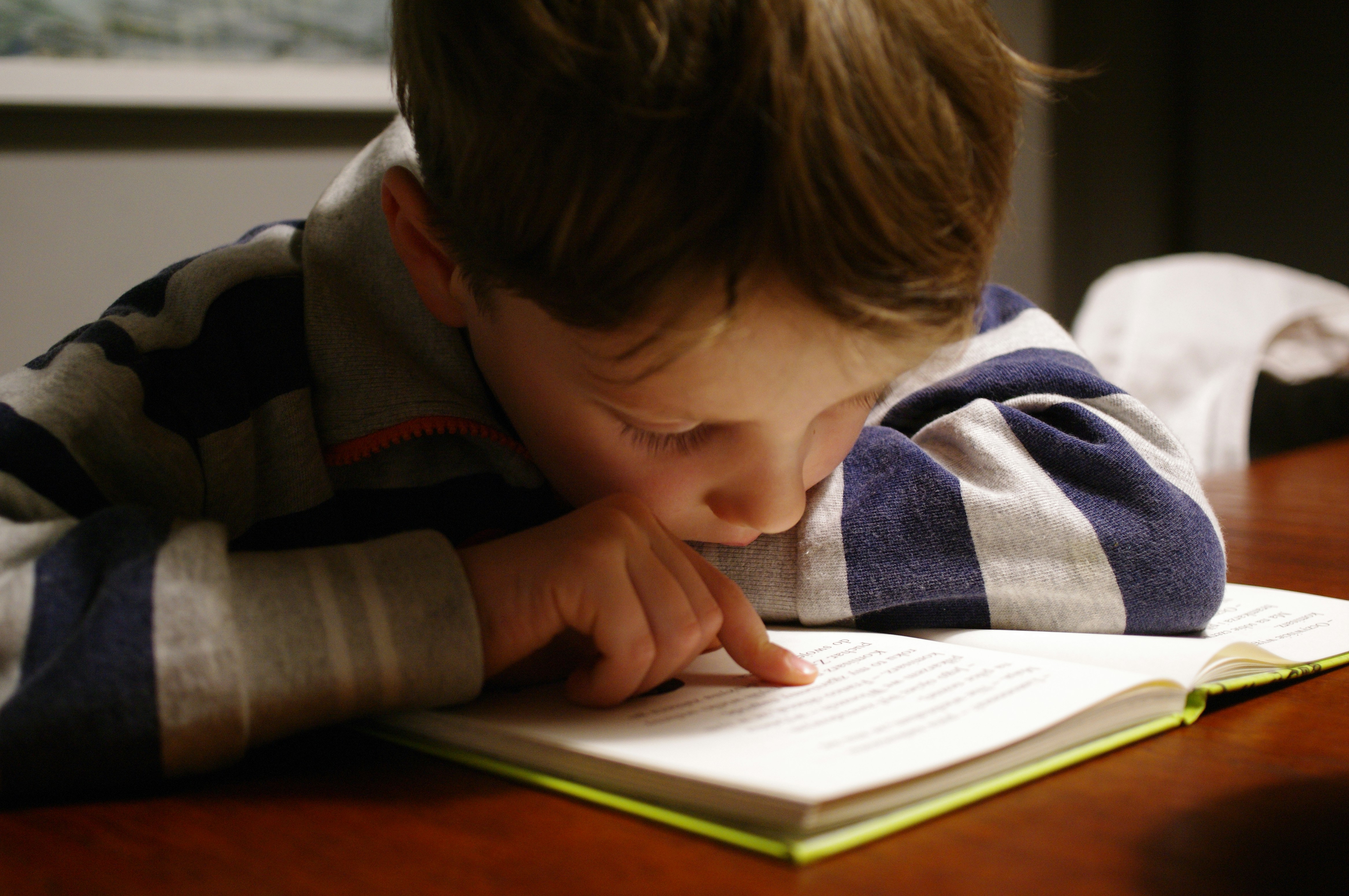
Sessions are calm, fast-paced, and scripted. Your child knows what's coming, what's expected, and how they'll know they've done it. Most kids find it surprisingly satisfying once they've succesfully mastered skills.
DI is one of the most extensively studied teaching methods in the field. Project Follow Through, the largest educational study ever conducted in the United States, found that Direct Instruction outperformed every other approach tested, across academic, cognitive, and affective outcomes. Subsequent meta-analyses have continued to confirm those findings, particularly for children with learning differences.
For the technical research and an introduction to the methodology, the National Institute for Direct Instruction (NIFDI) is the best starting point.